

Your partnership with us fuels women owned businesses, create quality jobs, reduce poverty and improve livelihoods in Ghana & beyond.
Looking to design or implement projects that truly matter and deliver lasting impact in Ghana?
Our team is ready to partner with you to turn your mission into measurable results.
Strong, strategic partnerships drive lasting change. We collaborate with organizations to design and implement initiatives that create jobs, reduce poverty, empower women, and build sustainable futures.
“The International Development landscape has shifted dramatically from aid‑driven models to strategic partnerships built on mutual benefit. At DhaarJhunne, we are at the forefront of this transformation, designing impactful collaborations that steadily advance Ghana’s strategic partnerships and development.”— CEO & Co‑Founder

We partner with development agencies, governments, and private sector leaders to design and deliver solutions that create a better Ghana and Africa.



Our Capabilities
-
![]()
Impact Project Management
Quality Assurance and Results Achievement
With a combined experience spanning over two decades, our clients trust us to leverage both local insight and international expertise to manage complex projects effectively to deliver intended outcomes and driving positive impact across Ghana and beyond. -
![]()
Technical Assistance
Database of Local, Regional and International Experts
We strategically deploy seasoned experts, aligning teams with the defined scope of work and targeted outcomes. Our technical assistance is consistently tailored to partner requirements and beneficiary priorities, ensuring measurable impact across all focus areas. -
![]()
Grants Deployment and Management
Payment by Results Grant Management Strategy
Our team brings extensive expertise in facilitating and managing grants valued at over $3 million across diverse sectors. We combine rigorous financial oversight, strict adherence to international standards, and robust monitoring and evaluation frameworks to ensure that every grant achieves its objectives and delivers measurable impact. -
![]()
Strategy Planning and Coordination
Corporate Governance, Sustainability and Stakeholder Management
We draw on years of relevant experience to help businesses strengthen their corporate governance frameworks, including internal policies, while building robust systems and enabling environments. By cultivating strong stakeholder networks, we foster clear strategy execution grounded in a deep understanding of the business landscape to serve as a catalyst for growth, expansion, and competitiveness. -
![]()
Workshop Planning and Facilitation
Over 20 workshops facilitated by our experts across Ghana and other countries
Our expertise covers a wide spectrum of convening formats, from large‑scale conferences and thematic workshops to intimate roundtables, focused group discussions, trade and investor missions, and cross‑border outreach initiatives. Each engagement is designed to foster dialogue, strengthen collaboration, and generate practical outputs that drive measurable impact. By combining meticulous planning with adaptive delivery, we guarantee that every programme not only meets immediate objectives but also contributes to long‑term institutional strengthening and socio‑economic progress.
-
![]()
Technical Audit and Programme Evaluations
Data Gathering, Key Informant Interviews, Learning Outcomes, Quality Assurance, Spot Checks, log frame achievement
At DhaarJhunne, we provide comprehensive project assurance services that strengthen accountability and maximize impact. Our expertise spans project reviews, technical audits, monitoring and evaluation, and field research or verification analysis, all designed to validate outcomes and ensure that reported results reflect tangible progress.
Beyond verification, we guide clients in iterating their business cases and refining implementation strategies based on evidence gathered from project reviews. This ensures that interventions remain adaptive, relevant, and aligned with intended objectives.





Our Areas of Expertise
GEDSI & Women-Owned Business Advisory

Despite owning the majority of businesses in Ghana, women entrepreneurs remain significantly underrepresented in higher‑earning sectors such as manufacturing, construction, services, consultancy, and information technology. In reality, most women‑owned enterprises are concentrated within the informal sector, where they face persistent barriers including limited access to finance, gaps in technical skills, difficulties competing in traditionally male‑dominated industries, and inadequate support from donors or international development partners
Our approach
At DhaarJhunne, we prioritize women‑owned businesses by supporting their formalization, growth, and competitiveness. We help them access finance, expand into new markets, strengthen technical and business skills, and create safe, inclusive workplaces within the manufacturing and service sectors, soft‑landing them into a highly competitive environment. Currently, we provide direct technical assistant and business advisory services on pro-bono basis to about 10 women-owned business across several value chains and sectors.
Capital Advisory
According to the World Bank’s Improving Access to Finance for Ghanaian SMEs report (2017), Ghana faced an MSME financing gap of $6.1 billion, equivalent to 13% of GDP, while high interest rates made commercial credit facilities largely inaccessible for business growth and expansion. By 2023, the gap had narrowed to $4.8 billion, yet access to affordable capital remained a significant challenge for many enterprises
Our approach
Our experts have cultivated strong networks with Development Finance Institutions (DFIs) and raised over $30 million in both equity and sustainable debt financing to support business growth and expansion. Our team of experts delivers precise, tailor‑made support, ranging from business proposal development, due diligence, and systems strengthening to facilitating linkages with financial institutions and guiding critical discussions on business strategies and growth plans.
International Trade & Market Linkage Advisory
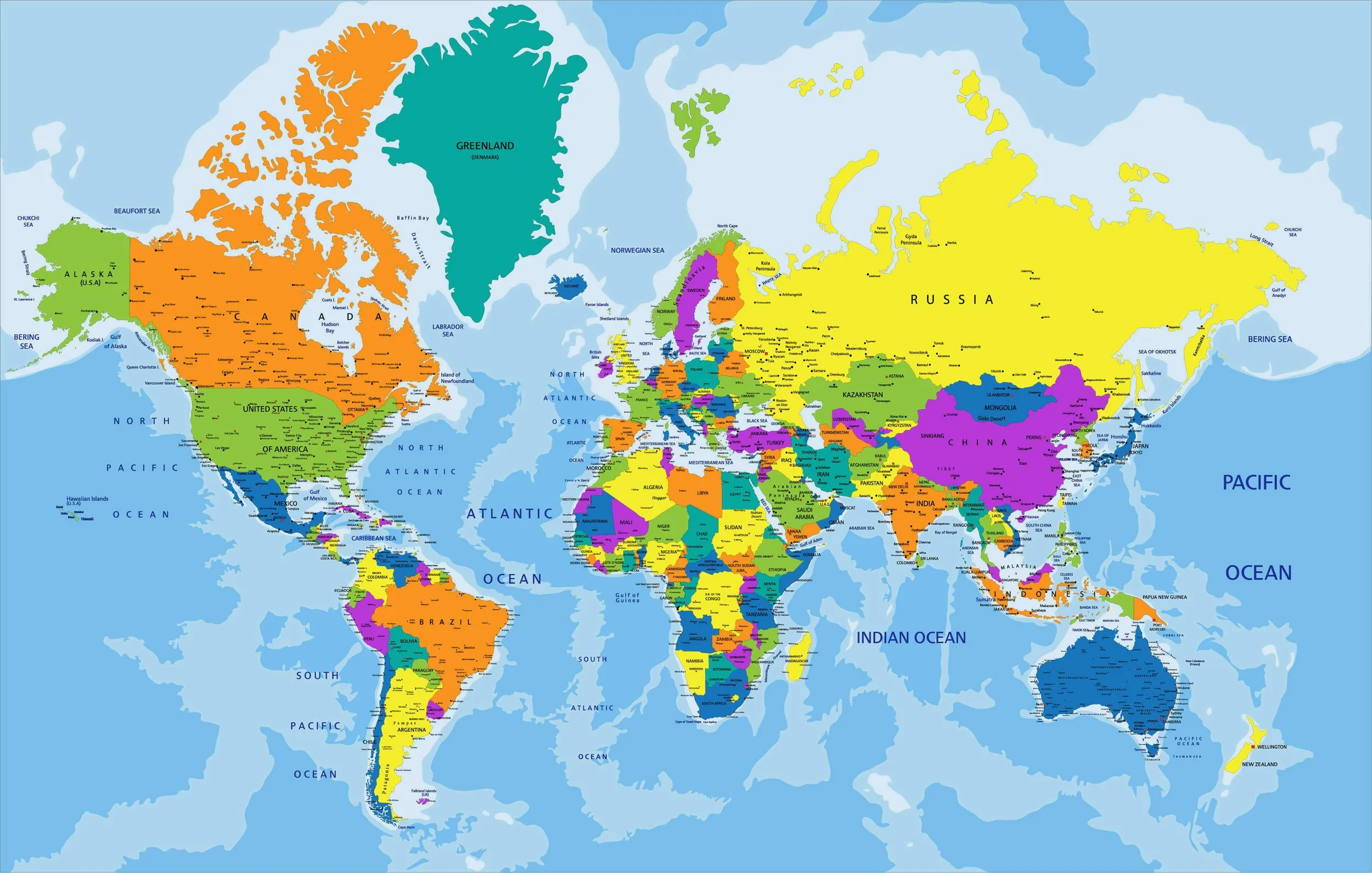
Ghana’s manufacturing sector has positioned itself as one of West Africa’s most strategically placed and rapidly expanding export‑oriented industries. Supported by a stable democratic environment, expanding industrial infrastructure, dynamic technological advancements, and strong adherence to social, ethical, and environmental standards, the country continues to attract international companies seeking resilient, cost‑competitive, and efficient supply‑chain partners. Buyers and offtakers from the United States, Europe, and the United Kingdom benefit from duty‑free imports from Ghana under preferential trade agreements such as the African Growth and Opportunity Act (AGOA), the EU‑Ghana Economic Partnership Agreement (EPA), and the UK‑Ghana Trade Partnership Agreement (TPA). These frameworks enable cost savings of up to 32% or more, making Ghana a highly attractive sourcing destination. Yet, trade volumes with these markets remain underutilized and uncompetitive, signaling untapped potential for trade growth.
Our approach
We focus on working with the Government of Ghana and international development partners to build a coherent and enabling ecosystem through policy prescriptions that empower businesses to access both domestic and export markets, scale up competitively, and participate effectively in national, regional and global trade. We provide strategic technical support to both the private sector and government on the practical implementation of preferential trade agreements such as AGOA, the UK–Ghana Trade Partnership Agreement, the EU–Ghana Economic Partnership Agreement, AfCFTA, and ECOWAS protocols, while leveraging bilateral partnerships to unlock new trade and investment opportunities.
Policy Advocacy and Advisory
Our approach
Through our extensive network across Government Agencies, Institutions, and Ministries, we provide our partners with a unique advantage in navigating Ghana’s policy and regulatory environment. Leveraging strategic relationships, we are able to lobby, promote, advocate, and support initiatives that align with national priorities and foster the growth of industries, communities, and bilateral trade or investment.
Our strength lies in facilitating structured dialogues, organizing focused stakeholder groups, and building strong, sustained engagements with the Government of Ghana’s machinery. This ensures that our partners’ voices are heard at the right levels and that their proposals are positioned within the broader framework of national development strategies.

Agriculture
Poverty Reduction

Health
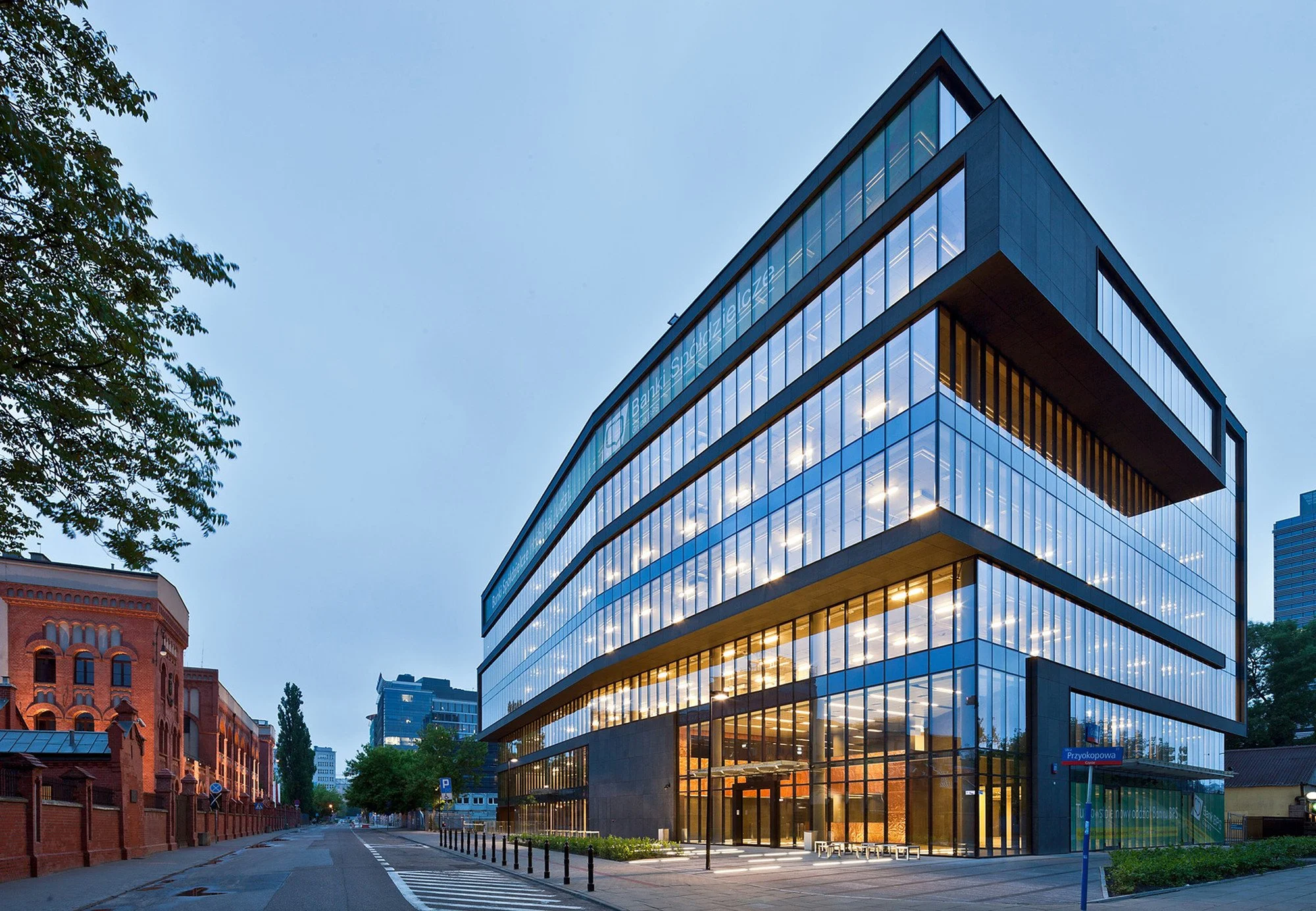
Business Ecosystem Reform

Technical and Vocational Education
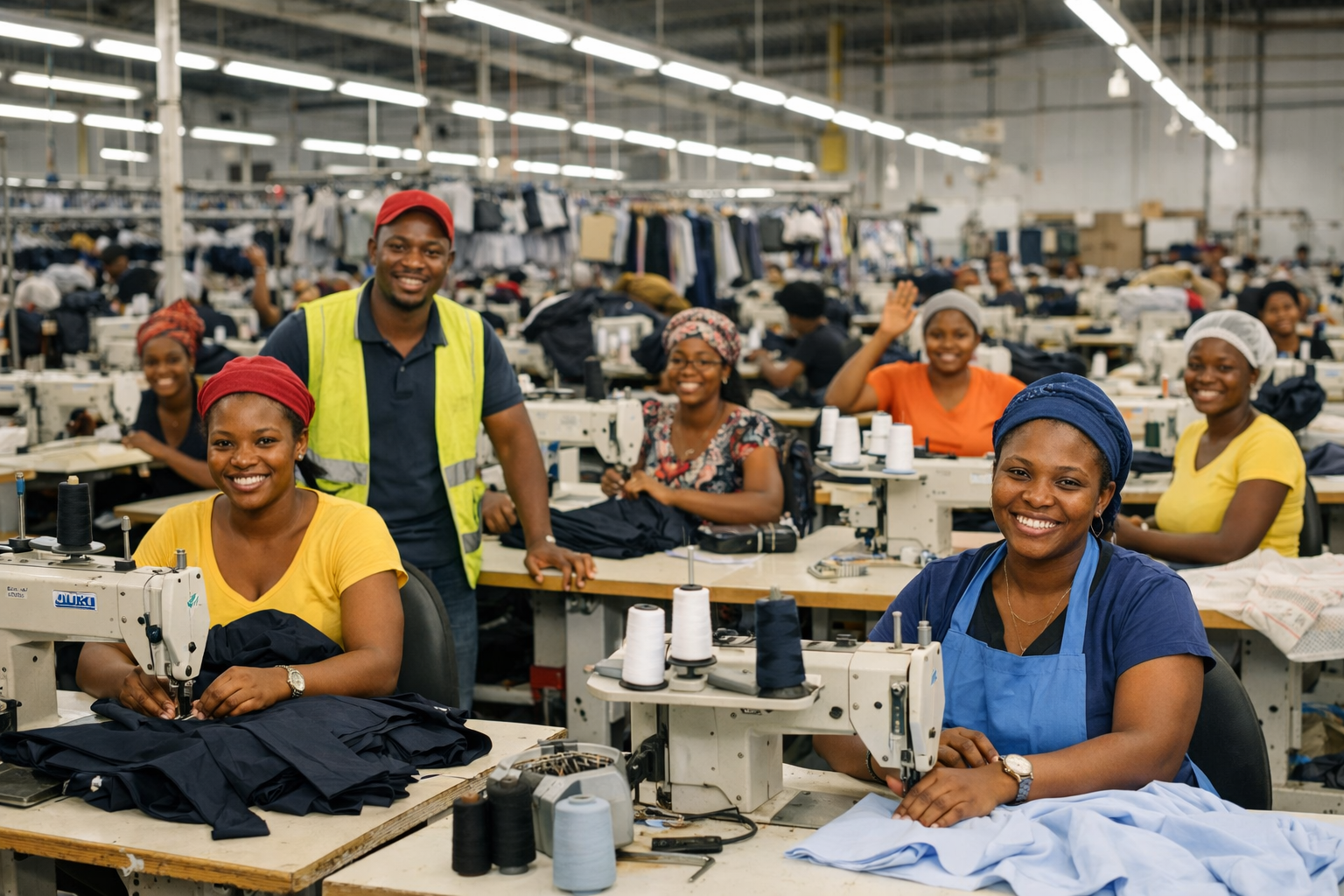
Job Creation
SME and Private Sector Development Advisory

Global and Ghana’s domestic business environment are evolving rapidly, with rules, policies, and compliance requirements becoming increasingly stringent and competitive. Many businesses are now pursuing international standards to access new markets, attract partners, secure financing solutions, and qualify for grant support from development agencies. However, awareness of industry demands remains limited to Ghanaian businesses. Standards such as the World Health Organization’s (WHO) Good Manufacturing Practices (GMP), International Organization for Standardization (ISO) certification, World Responsible Accredited Production (WRAP), and the International Labour Organization’s (ILO) Decent Work Standards are often overlooked. Domestically, businesses frequently lack knowledge of statutory requirements including accreditation from the Food and Drugs Authority (FDA), certification from the Ghana Standards Authority (GSA), and licensing from the Environmental Protection Agency (EPA).
Our approach
We provide critical advisory services to help businesses navigate Ghana’s complex operating environment, offering technical support in securing both international and local certifications to remain compliant and competitive. Our services include conducting compliance audits, co‑developing internal policy frameworks, and supporting their implementation. We also strengthen existing systems and processes while developing implementation plans that drive continuous improvement and measurable results.
Investment Facilitation (Foreign and Domestic) and Advisory

“Ghana is open for business” reflects the country’s readiness to facilitate both foreign and domestic investments across key national priority sectors.
Our approach
At DhaarJhunne, we leverage our extensive network of experts across Ghana and globally to facilitate investor‑matching requests with key public institutions such as the Ghana Investment Promotion Authority (GIPA), the 24‑Hour Economy Authority, Export Acceleration Development, the Ministry of Trade, Agribusiness and Industry, as well as relevant industrial associations. At the private‑sector level, we connect domestic companies with international partners to enable technology and skills transfer, joint venture partnerships, and equity investments that drive growth and expansion. Through this far‑reaching investor network, our team has successfully facilitated over $18 million in Foreign Direct Investment (FDI) into Ghana via joint partnerships, equity financing, and technology transfer initiatives.
Climate and Sustainability Advisory

Ghana faces significant climate and sustainability challenges, with rising temperatures, erratic rainfall, flooding, and sea‑level rise threatening agriculture, health systems, and coastal communities. Despite contributing less than 4% of global emissions, Ghana is disproportionately vulnerable, making climate adaptation and sustainable development urgent priorities. Ghanaian businesses are operating in a rapidly evolving environment where sustainability is no longer optional but is a competitive advantage. Climate change, resource constraints, and shifting global market expectations are reshaping how companies must position themselves to remain resilient and attractive to investors, partners, and consumers.
Our approach
At DhaarJhunne, we support both government and private sector players in developing strategies for climate‑smart transitions that align with Ghana’s long‑term sustainability goals. We assist our partners in utilizing modern technologies, knowledge, and innovative strategies to contribute meaningfully to Ghana’s Net Zero agenda. In collaboration with development agencies, we implement nature‑based solution projects that restore ecosystems and strengthen community resilience. We also work closely with businesses to advance sustainable agriculture practices that increase productivity while protecting natural resources. In addition, we mobilize climate finance to enable businesses to grow and expand sustainably, ensuring that they remain competitive while contributing to Ghana’s broader climate and sustainability objectives.
Humanitarian Relief Support and Advisory

In times of disasters, the speed and precision of humanitarian relief can mean the difference between survival and despair. Immediate deployment is not just about moving supplies; it is about mobilising a highly coordinated system where logistics, medical care, shelter, and food distribution are seamlessly integrated. Ultimately, effective humanitarian response is built on collaboration between governments, NGOs, international agencies, and local communities working together to deliver aid that is timely, targeted, and transformative. It is this collective effort that turns chaos into resilience and gives hope in the aftermath of crisis.
Our approach
As a trusted partner to governments and non‑governmental organisations, we have developed strong expertise and distributive networks to deliver large‑scale emergency and reconstruction logistics from suppliers directly to disaster‑affected communities. Our approach ensures that aid reaches the right people both in the immediate aftermath of a crisis and during the critical weeks that follow, while adapting to evolving situational and environmental realities. We guarantee full accountability and end‑to‑end tracking across the humanitarian supply chain, right through to the beneficiary.
Our capabilities include logistics and distribution of relief items across Ghana, procurement from certified suppliers, mobilisation of relief workers for distribution and evacuations, post‑disaster logistics support, and load planning.
Impact Delivery Advisory

Most development partners, NGOs, and governments implement social interventions with the aim of achieving specific impacts. The greatest challenge in the development sector is not the design of programmes or the mobilisation of financial resources, but rather the ability to deliver the intended positive and sustainable outcomes.
Our approach
Our partners rely on our expertise to deliver guidance, technical assistance, and programme evaluation support that enables them to measure impact effectively. We conduct spot checks and key informant interviews to capture lessons learned and provide insights that shape learning outcomes, ensuring programmes are directed at the right needs and achieve the intended results. Our delivery model prioritises co‑creation with beneficiaries and stakeholder engagement, applying our expertise where it matters most. By building sustainable pathways with beneficiaries, we foster continuous improvement and empower communities to take ownership of interventions, ensuring long‑term impact and resilience.
Your Trusted Project Delivery Partner in Ghana
Partnering with us enables practical solutions to pressing challenges. At DhaarJhunne, we are working to provide solutions, enhance job creation and improve livelihoods in Ghana.
Our Initiative
Eleven Levin Creatives
At DhaarJhunne Consulting Limited, we have launched an initiative to create a platform for young, talented Ghanaians in four fields, namely, photo and videography, graphic design, fashion design, and 3D signage design, providing them with access to businesses and short-term assignments that help commercialize their talents and directly generate youth employment and income.
Also, through our 11Levin Creative Academy, we also deliver training and capacity‑building programs for both unemployed and employed young people who are eager to develop their skills or pursue careers in these four disciplines.